By Don Le
The Bay Area housing market continues to be increasingly unaffordable in 2022 yet engineering graduates at San Jose State University say they have a positive outlook when it comes to staying local post-graduation.
As of April 2022, the median home price in San Jose is $1.5 million and is becoming increasingly unaffordable for low-middle income earners that are looking to reside in Silicon Valley.
Even with the COVID-19 pandemic, rising inflation, and high housing prices, Matt Tenczar, a real estate agent at Compass that sells property around Santa Clara County, confirms the housing market [in San Jose] is still strong.
“We’re in what I would define as a transition moment where we have buyers worried about interest rates, and we have sellers thinking that it’s still a very hot market. We still see sellers getting multiple offers, although they aren’t getting as many multiple offers as we had just literally a month ago. And buyers are thinking that they can negotiate better, but still facing multiple offers. And so that makes it a little more difficult.”
Tenczar says the biggest issue between California’s real estate market versus another state is the attitudes of sellers.
“If you’re making 70 or $80,000 a year, coming out of San Jose State or any college, that’s a good amount of money, and you could easily afford rent at that point. But if you’re looking to buy a house, you need at a minimum of about 5% of whatever property you’re purchasing.”
“If that’s a condo like I have a condo for sale in San Jose right now it’s $550,000. You know, you take 5% of that and that’s what your minimum down payment would be. But to try and negotiate that with a seller is difficult when you have other people putting down 20, 30, 40, 50% down, that makes it difficult for a college student to purchase a property like that. Granted, houses are in the millions but there are condos that are not in the millions. So that would be a good starting point.”
Carrie McKnight, an engineering graduate career counselor at San Jose State University, says most engineering students at SJSU, especially international students, are looking for paid internships to be able to afford living in the most expensive city in the country.
“Finding a paid summer internship is a big goal of many of the engineering students… they want to be able to stay here during the summer rather than going back to their home country,” said McKnight. “Their first choice is to stay here, do a paid internship to help financially and then also to help them with their goal of getting full time opportunities so that they can stay here in the U.S.”
Most college graduates must leave the area, but SJSU engineering graduates have an advantage of being able to find high paying jobs in the Bay Area quickly with its abundance of high-paying jobs in the software and hardware engineering fields.
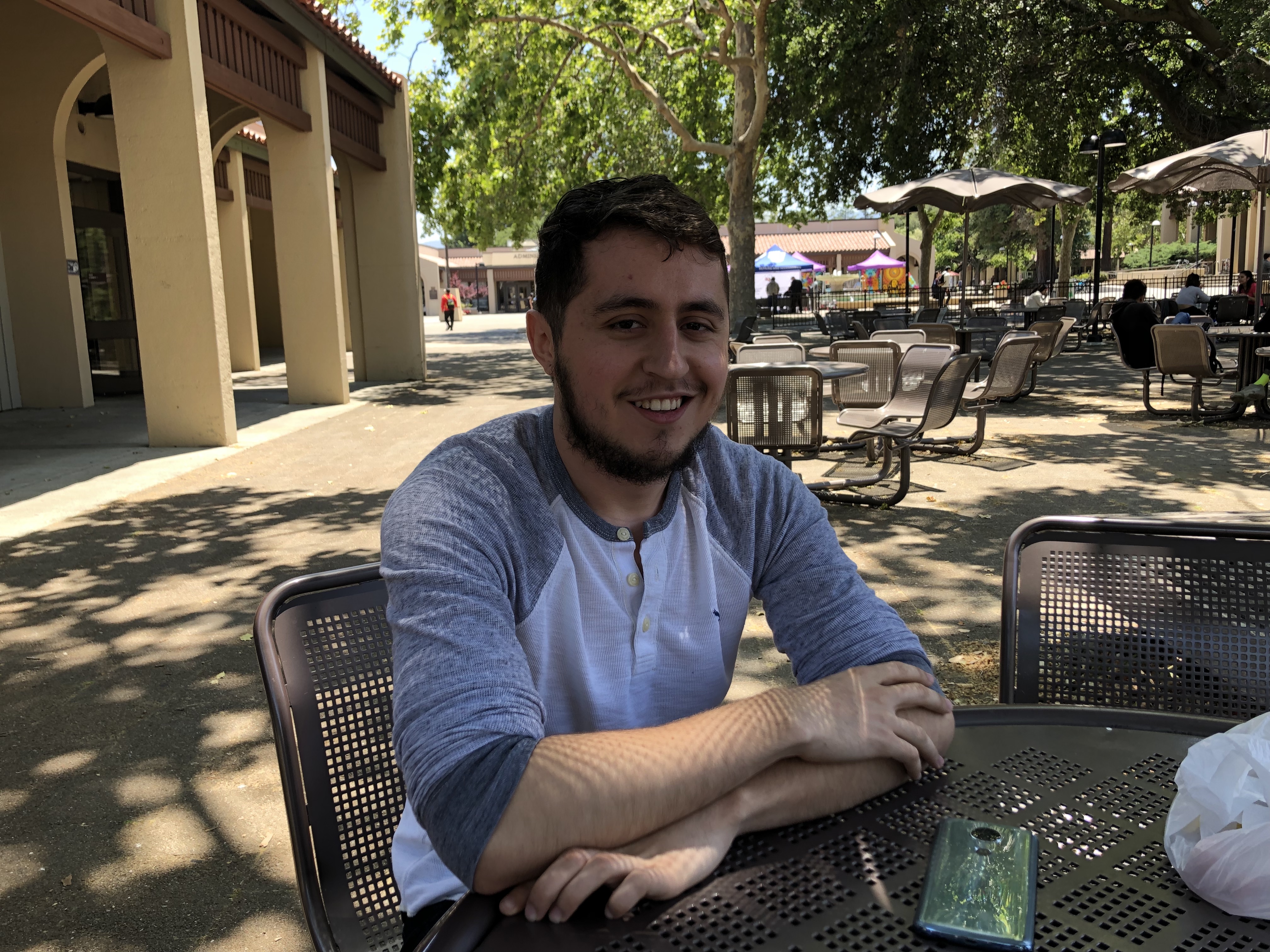
Samuel Fernandez, fourth-year bioengineering student at San Jose State University says the Bay Area’s high cost of living, especially high home prices, will affect his job search after he graduates.
“I already work at Intuitive, a medical device company [in Sunnyvale]. Eventually I know, after years of working, I’ll be able to afford a house over there. So, it’s not too big of a deal. But I understand that for other majors and other people, it is a bigger deal. It is a problem. I mean, I’m an engineer so it’s not as bad. You can’t say the same for all the other majors.”
He says he wants to stay in the Bay Area because the engineering field is so big and there are a lot of biomedical device companies in the Silicon Valley.
“I’ve heard of companies paying for you to move. So like if your commute is more than a certain percentage, then they’ll pay for you to relocate. But it’s not a lot,” said Fernandez. “I’ve seen up to five grand over the span of a couple months. At the end of the day. It’s not going to be enough to pay rent. I’ve heard that from a couple bioscience companies that I’ve applied to in San Francisco. And so that’s where I’ve heard of the relocation costs.”
According to American employment website Indeed, the average base salary for engineers in the San Francisco Bay Area is $98,009.
Chi Nguyen, a hardware engineer at Texas Instruments in Santa Clara says “a lot of people in engineering do have it a little easier” [in regards to living in the Bay Area] with more upfront benefits, salary bonuses, relocation bonuses, and high salary. Yet he still chooses to live with his parents in the Santa Teresa area of South San Jose because of the high cost of living.
“I think I can [move out of my parents’ house]. It’s definitely doable, but I don’t think I would have a lot of leftover money and I would have a lot of leftover expenses. And you know, for savings as well. I just know that if I lived in Santa Clara, like that’s like one and a half paychecks maybe.”
According to the California affordable housing non-profit organization California Housing Partnership, renters in Santa Clara County need to earn $54.77 an hour to afford the average monthly asking rent of $2,848.
“With the housing crisis and how high your rent is, as well as taxes and everything in California and now, even high gas prices, a lot of those expenses just go away. I think it’s really hard for people in our generation to save up money now, because a lot of [our income] is used on expenses now,” said Nguyen. “People who are renting now they don’t have any savings for the future”
According to the Out of Reach 2021 housing report released by nonprofit organization National Low Income Housing Coalition, California has the highest average housing wage in the country at $39.03. In comparison, the 2021 National Housing Wage is $24.90 per hour for a two bedroom rental home and $20.40 per hour for a one-bedroom rental home.
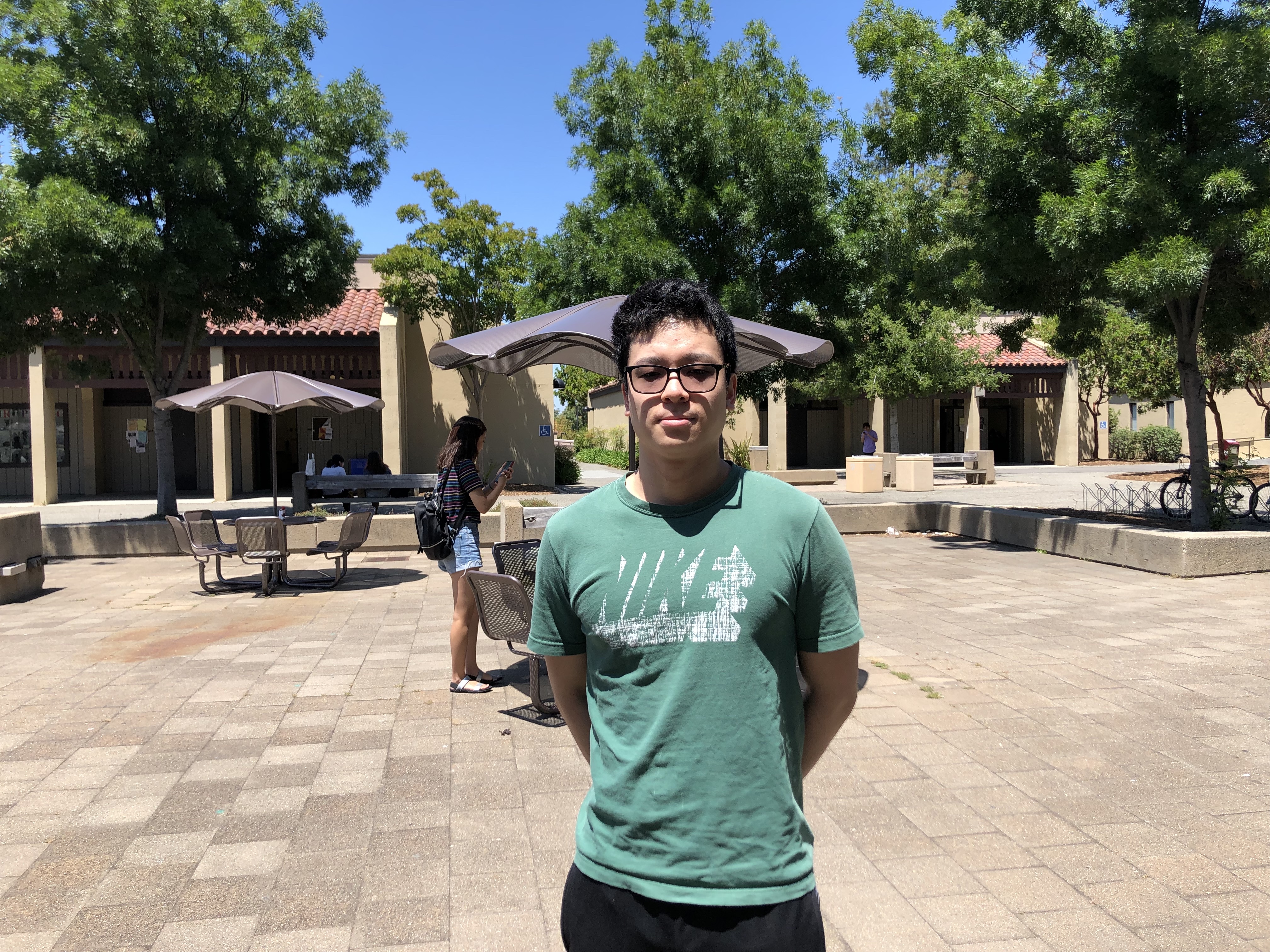
In contrast to software or hardware engineering graduates, Chris Lim, an engineering technology major with a concentration in manufacturing systems at SJSU, says he does not plan to stay in San Jose post-graduation.
“I plan on moving to Arizona to pursue a job opportunity. The job market is in demand for tech at the moment, a great time for new college grads to develop the foundation of their career. My major allows me to pursue careers in tech, however starting rates at $60,000- $80,000 is still not enough to cover living expenses from food, gas, insurance, car payments, housing, and other costs.” ”
“The cost of living in San Jose has gone up so much where I can not comfortably live here and create a savings.”


 Don Le's Portfolio